(La Porte County, IN) - Invasive plant species most often found in landscaping are posing a threat to the nation’s forests but the public can help stop the spread.
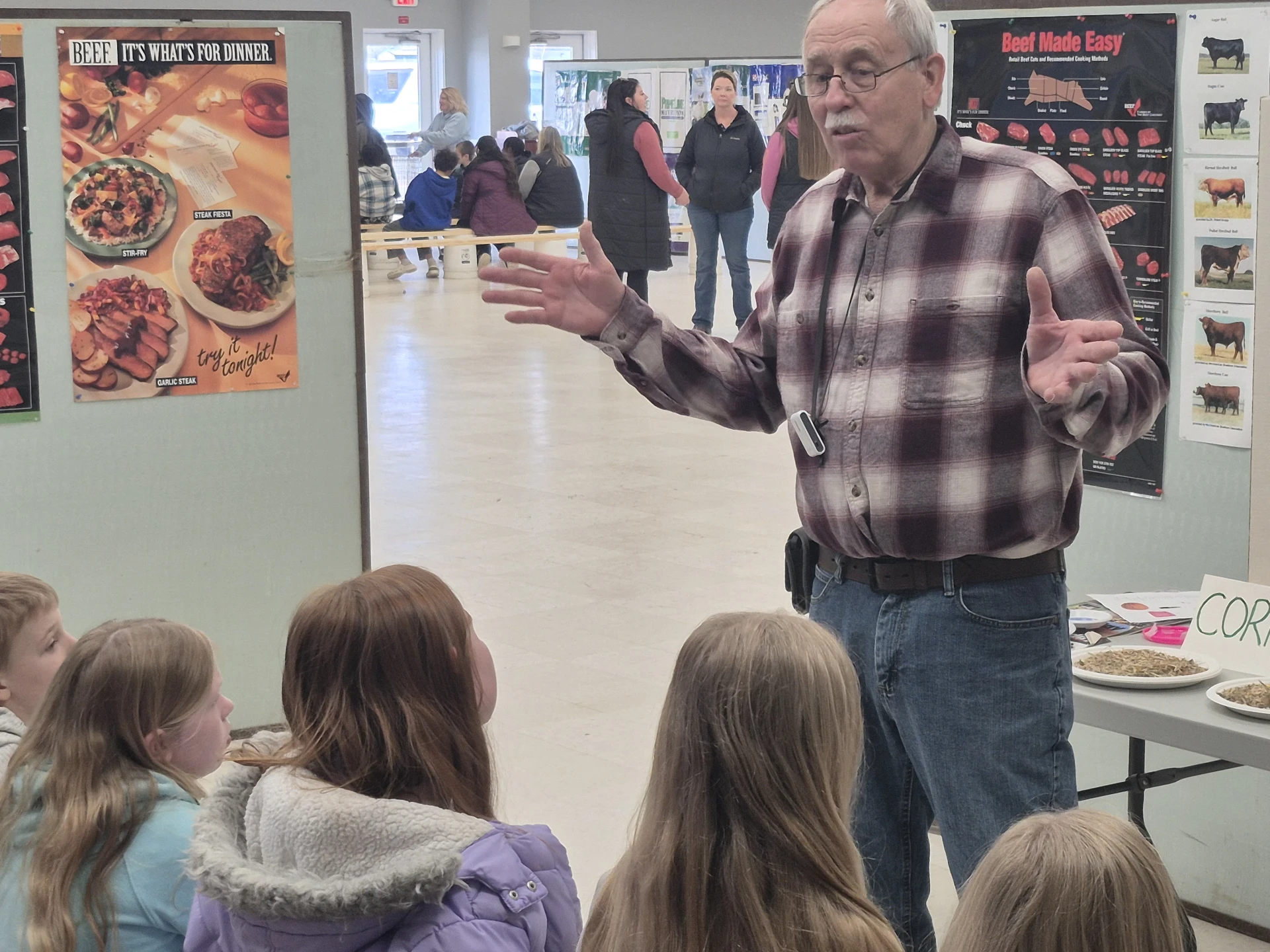
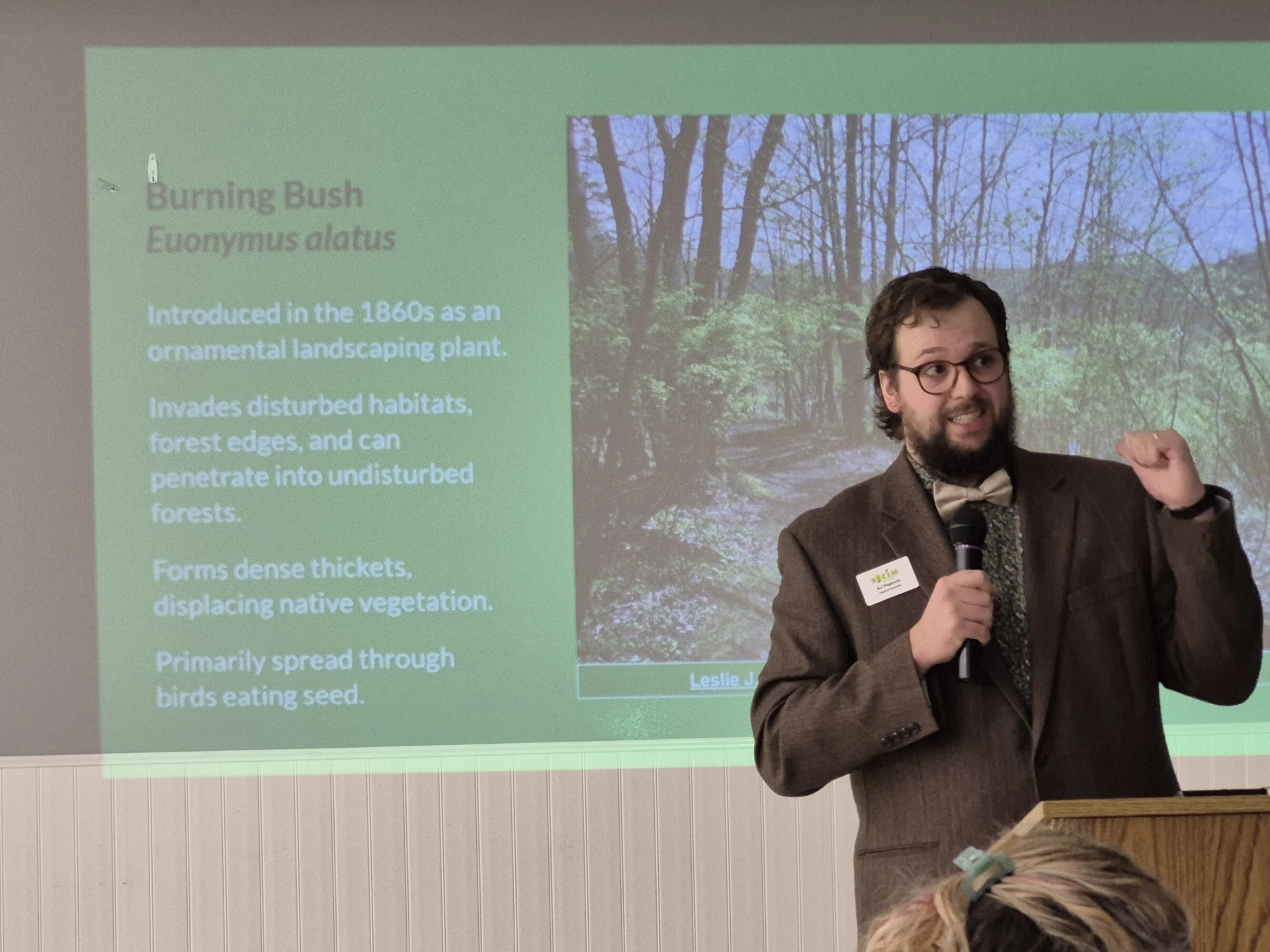
That was the message of A.J. Popovic, a specialist with the State of Indiana Cooperative Invasives Management organization during his speech at the annual meeting Thursday of the La Porte County Soil and Water Conservation District Board.
Unless the problem is fixed, “our kids won’t see our forests. Our grandchildren won’t see our forests,” he said.
Popovic said 25 percent of all plants in Indiana are invasive. Popovic said many invasive plant species were brought to the nation from other countries in the 1700’s and 1800’s for landscaping, preventing soil erosion and medicinal purposes.
Invasive plants such as Burning Bush and Garlic Mustard often spread from their seeds being taken and dropped by birds while in flight. The result can be invasive plants taking root in forests and quickly multiplying until they choke out the native species. He said the burning bush looks nice and harmless but the species able to penetrate into undisturbed forests has “done a lot of damage.”
Popovic said Asian Bush Honeysuckle, for example, can grow with such density that native plants and young trees below them don’t receive sufficient enough sunlight to survive. Eventually, the number of large trees receiving sunlight perish from age but only the invasive species are left from no longer having native plants to reproduce due to sunlight not reaching the ground.
“If you got infestation, your forest is at-risk because it does not have trees to replace the ones there currently,” he said.
Another invasive species, Round Leaved Bittersweet, has vines that can wrap around trees and kill them by restricting the flow of nutrients. Tree of Heaven is another invasive plant species that spreads quickly from new growth emerging from their roots, which can grow 50 feet long in either direction.
Popovic said that species thrives in areas like former industrial sites like the old Studebaker plant on the south side of South Bend where one Tree of Heaven plant reached 80 feet in height.
He said 85 percent of invasive species spread from landscaping while 14 percent of invasive plants migrate from agricultural areas.
Popovic also cited examples of what organizations like his have done to try and curb the spread of invasive plants. He was directly involved several years ago with restoring the Lydick Bog property where burning bush took over the entire back half of the 200 acre site acquired in 2017 by the Shirley Heinze Land Trust. Popovic said the restoration involved taking out the burning bush and other invasive seed producing plants.
“We were able save that forest,” he said.
The Shirley Heinze Land Trust is dedicated to preserving and restoring natural areas throughout northwest Indiana and has about 4,000 permanent protected acres across Lake, Porter, LaPorte, St. Joseph, Marshall and Starke counties.
Popovic also talked about a trip he took to Boston before Thanksgiving where he discovered major infestation of invasive plants.
“Every single forest I saw was completely overrun with burning bush. It was a complete take over,” he said.
He said individuals can also do their part in the battle by educating themselves about invasive species so they can recognize and take action against any that might be in their yards or landscaping arrangements. Popovic said individuals should replace invasive species with native plants and manage the property correctly to prevent the emergence of invasive plants in the future.
He said people should also report the presence of any invasive species and their location. About 200 people attended the meeting and enjoyed a free dinner in the Community Building at the LaPorte County Fairgrounds.